
Morocco’s automotive industry:
from low-cost production to industrial decision-making
from low-cost production to industrial decision-making
Morocco no longer competes on production alone. It competes on decision-making.
For years, Morocco’s automotive industry was seen as a low-cost production extension for Europe. Today, that reading no longer goes far enough.
The figures — and, above all, what can be seen on the ground — point in a different direction. In 2024, the country consolidated its position as Africa’s leading vehicle exporter, with figures close to $6.7 billion, while the sector now accounts for around 33% of its total exports. This is not a short-term advantage, but a consolidated industrial specialisation.
The automotive industry has become one of the main drivers of Morocco’s economy, accounting for close to one fifth of the country’s exports, according to recent industrial analyses and foreign trade data. Specialist outlets such as Reuters and Automotive Logistics, together with sector reports including IGAPE’s automotive analysis, have documented the expansion of the Tangier–Kenitra axis, the growth in production capacity, and the increasingly important role of infrastructure such as Tanger Med in connecting the sector to European value chains.
A system that is already working
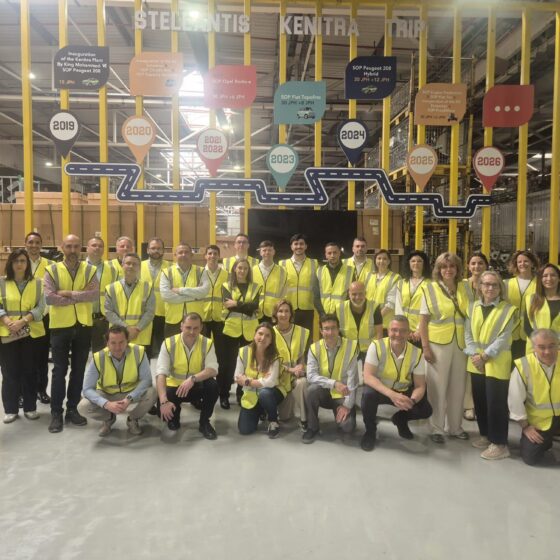
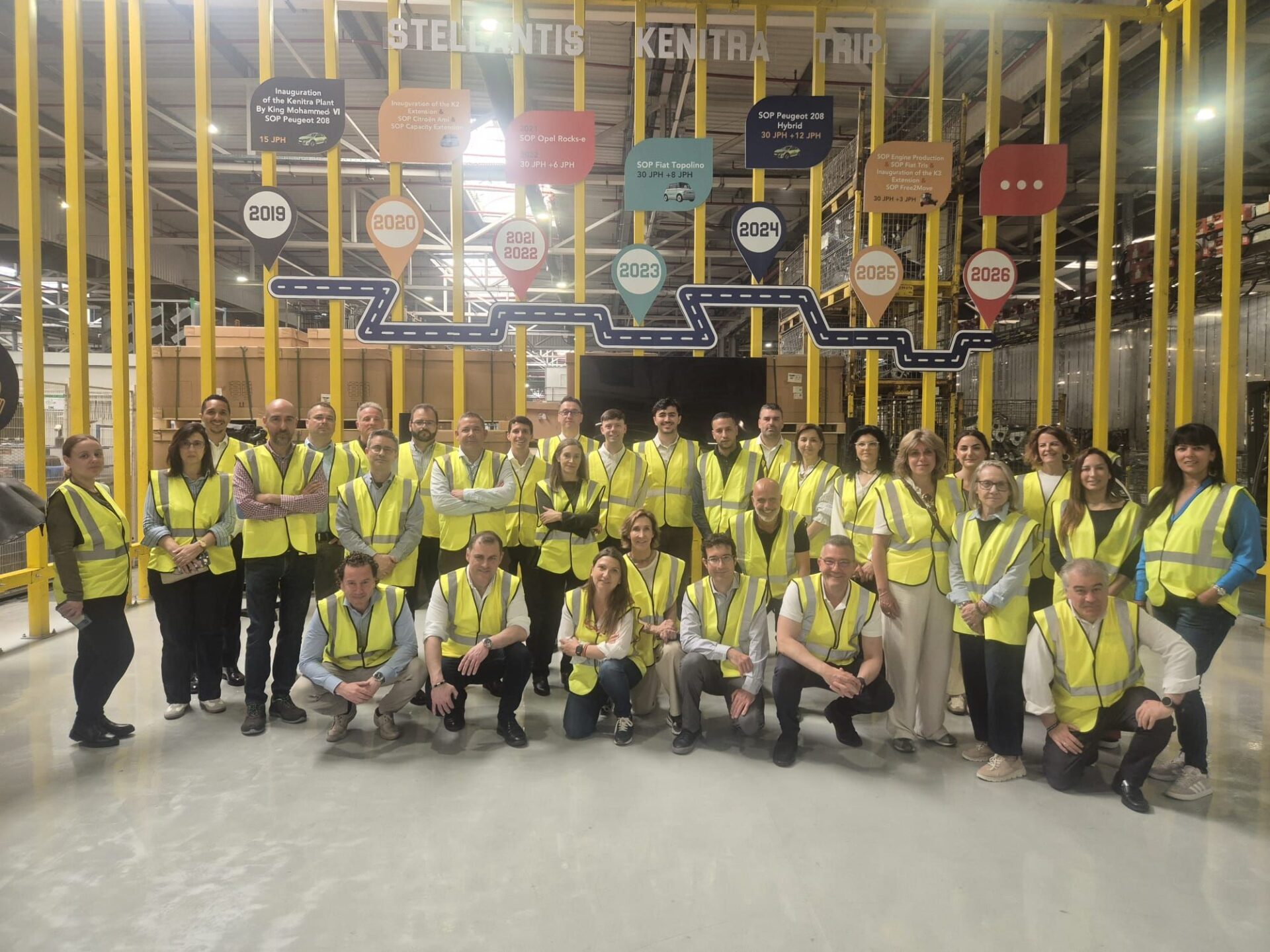
The Tangier–Kenitra corridor is the clearest example of this shift. Morocco has moved from producing just over 100,000 vehicles in 2012 to more than 535,000 in 2023, with installed capacity now close to 630,000 vehicles a year. The presence of manufacturers such as Renault Group and Stellantis has been decisive, but the real story is what has been built around them.
Suppliers, logistics operators and industrial service providers now work with a level of integration that creates genuine operational efficiency. This is not simply a cluster of plants. It is an industrial system with its own internal logic.
That system has been designed for export and for integration into European value chains. Automotive exports reached approximately $15.8 billion in 2024, after a decade of sustained growth. Europe absorbs most of that volume, with France accounting for more than 30% of exports, followed by Italy and Turkey.
Morocco is no longer competing from the margins of Europe’s industrial system. It is now operating from within it.
Morocco’s automotive industry: production is no longer the bottleneck
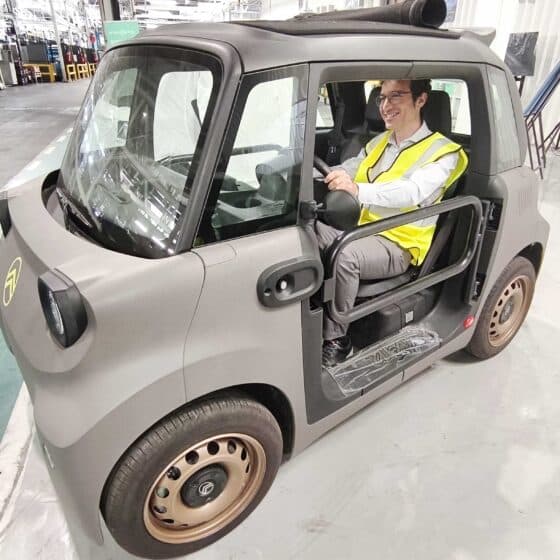
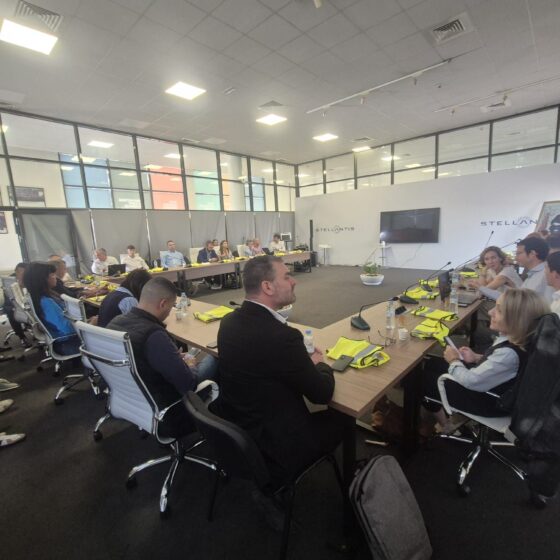
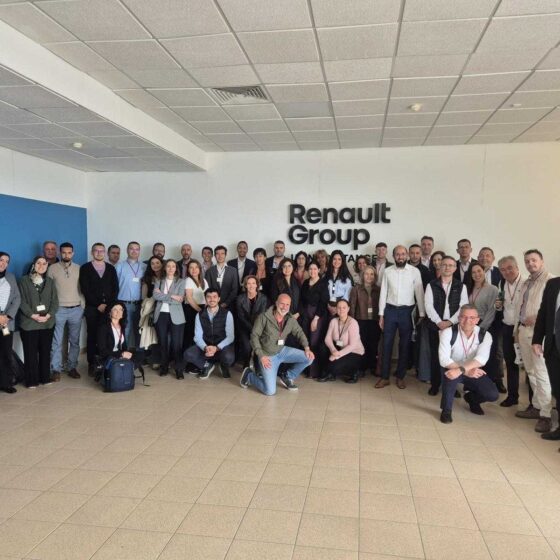
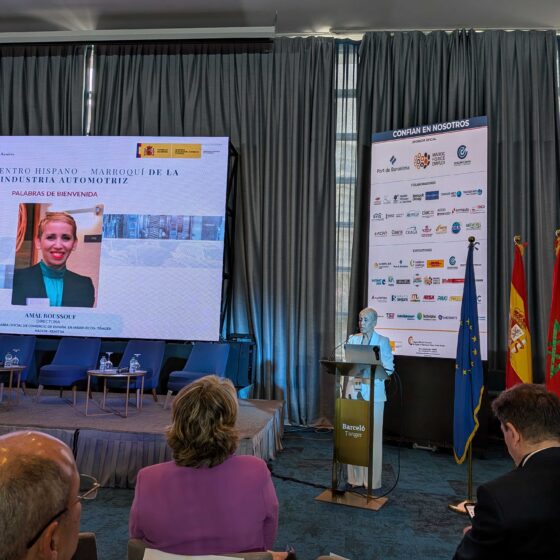
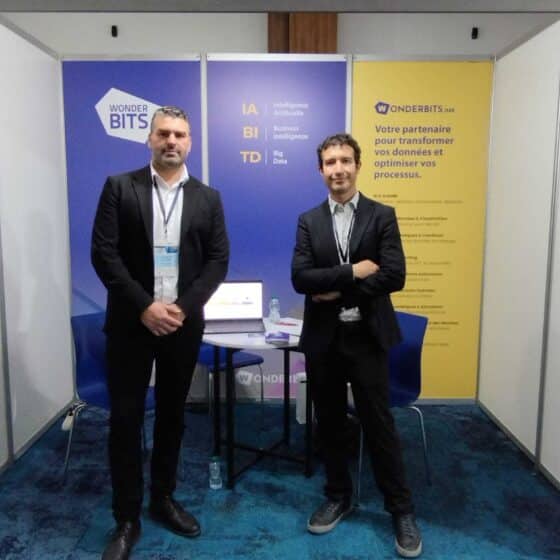
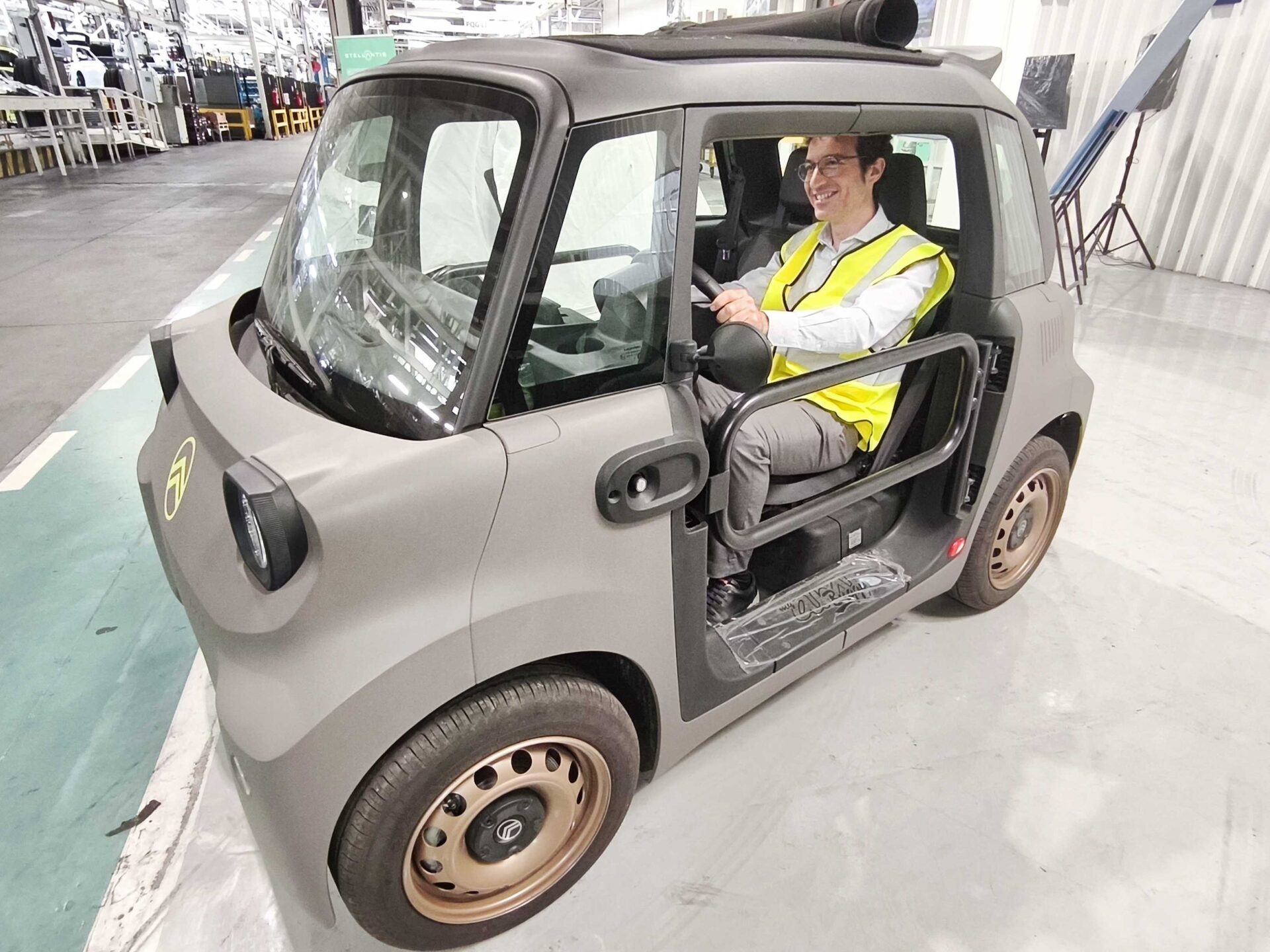
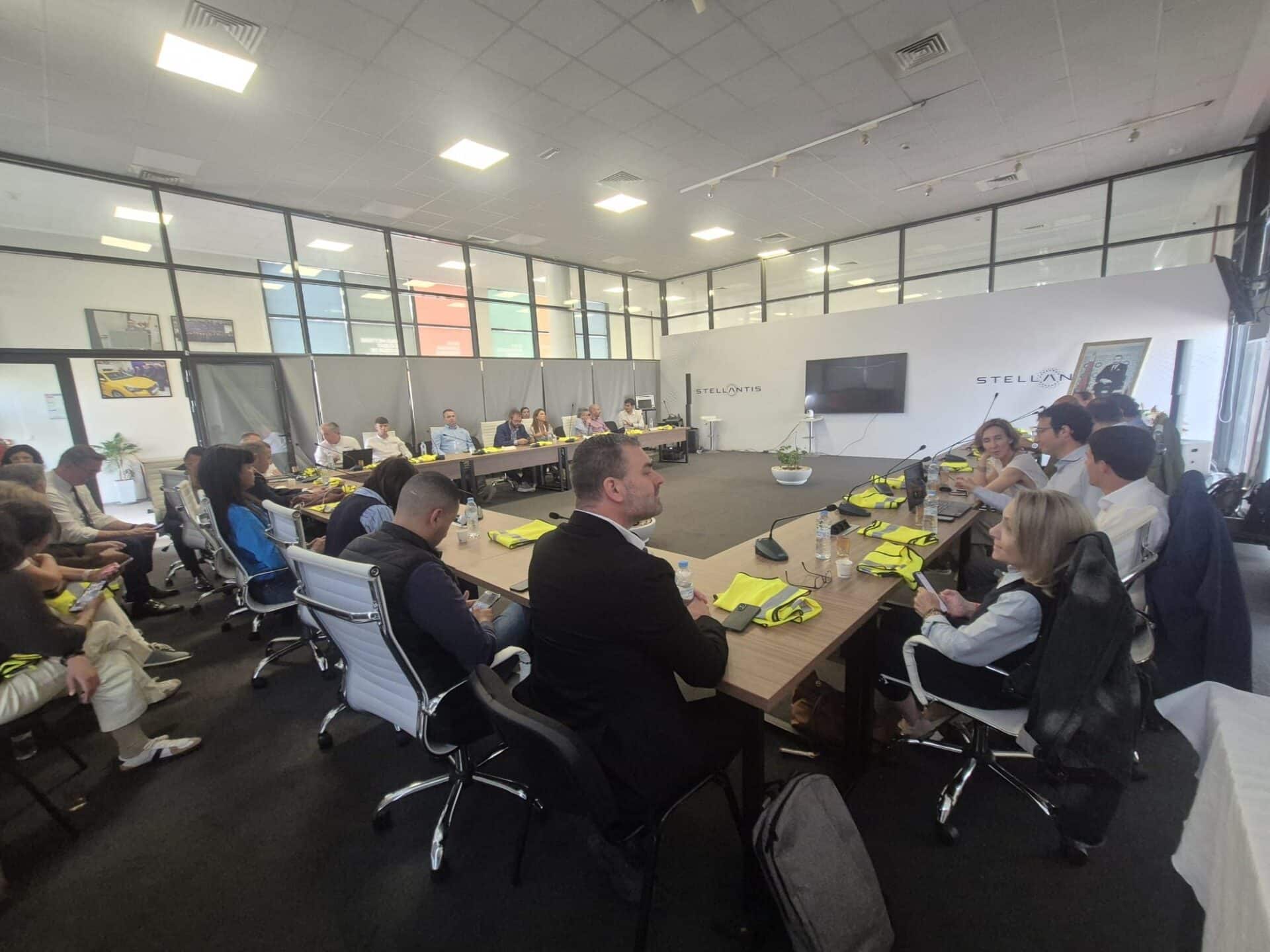
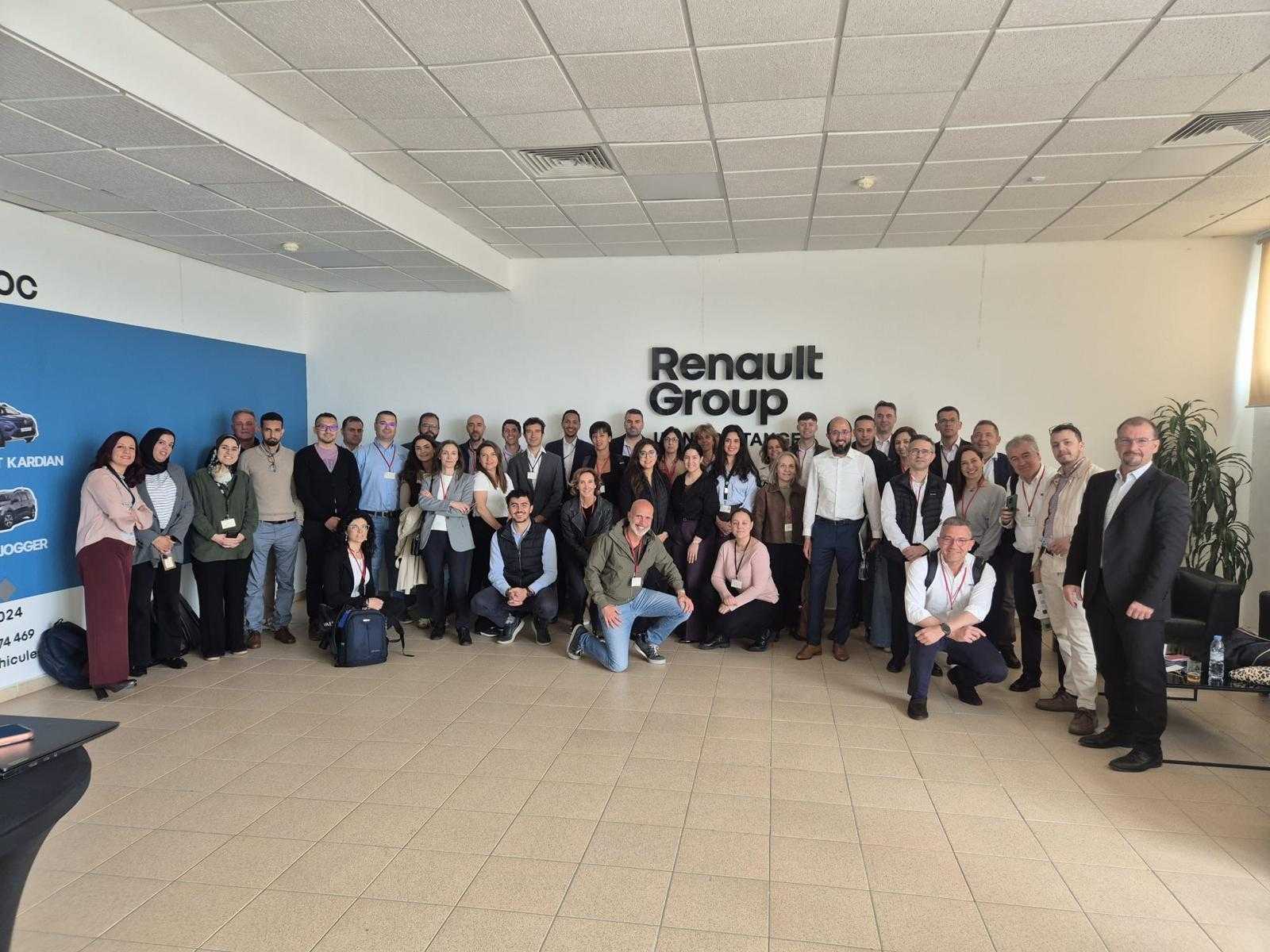
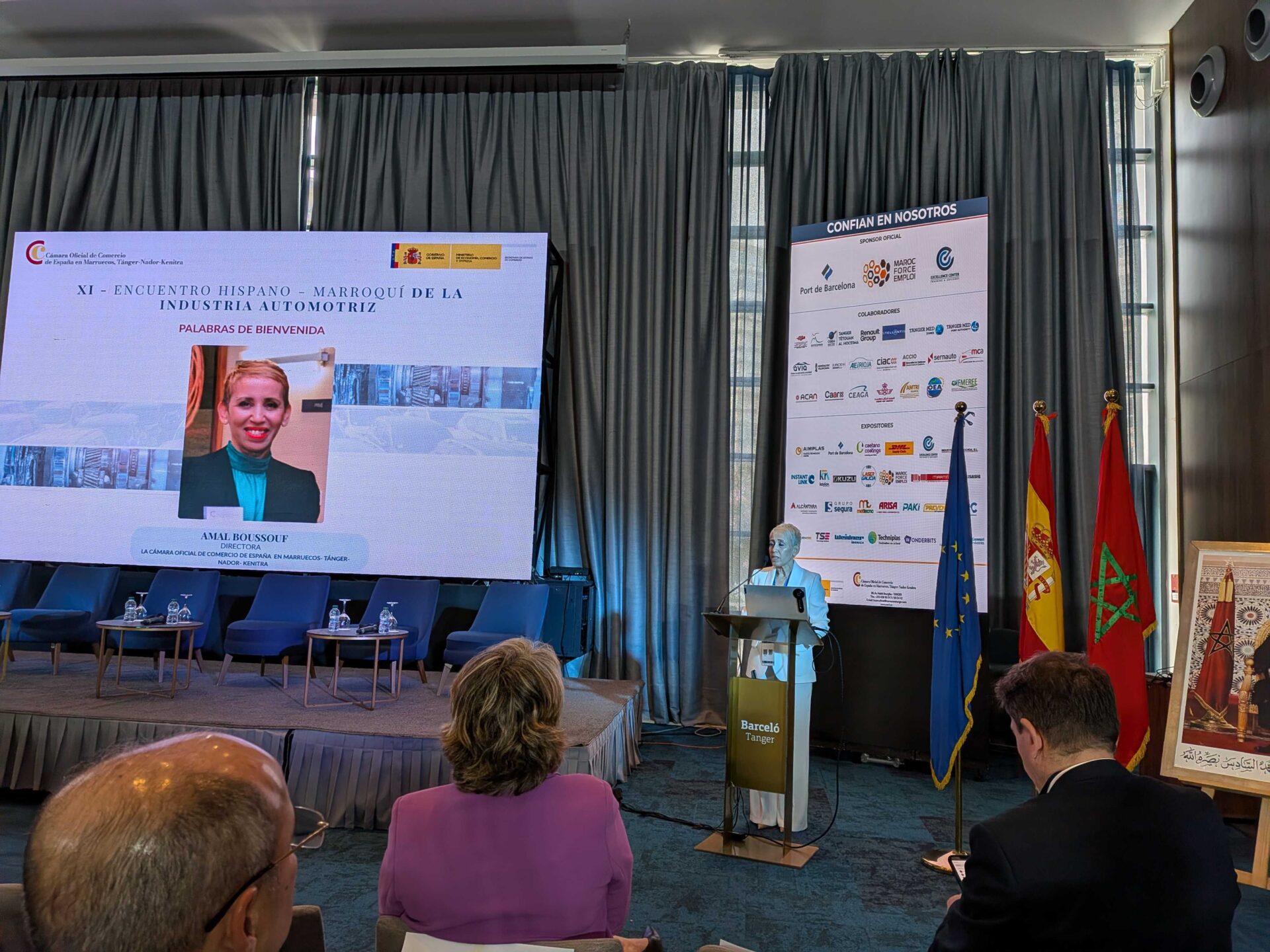
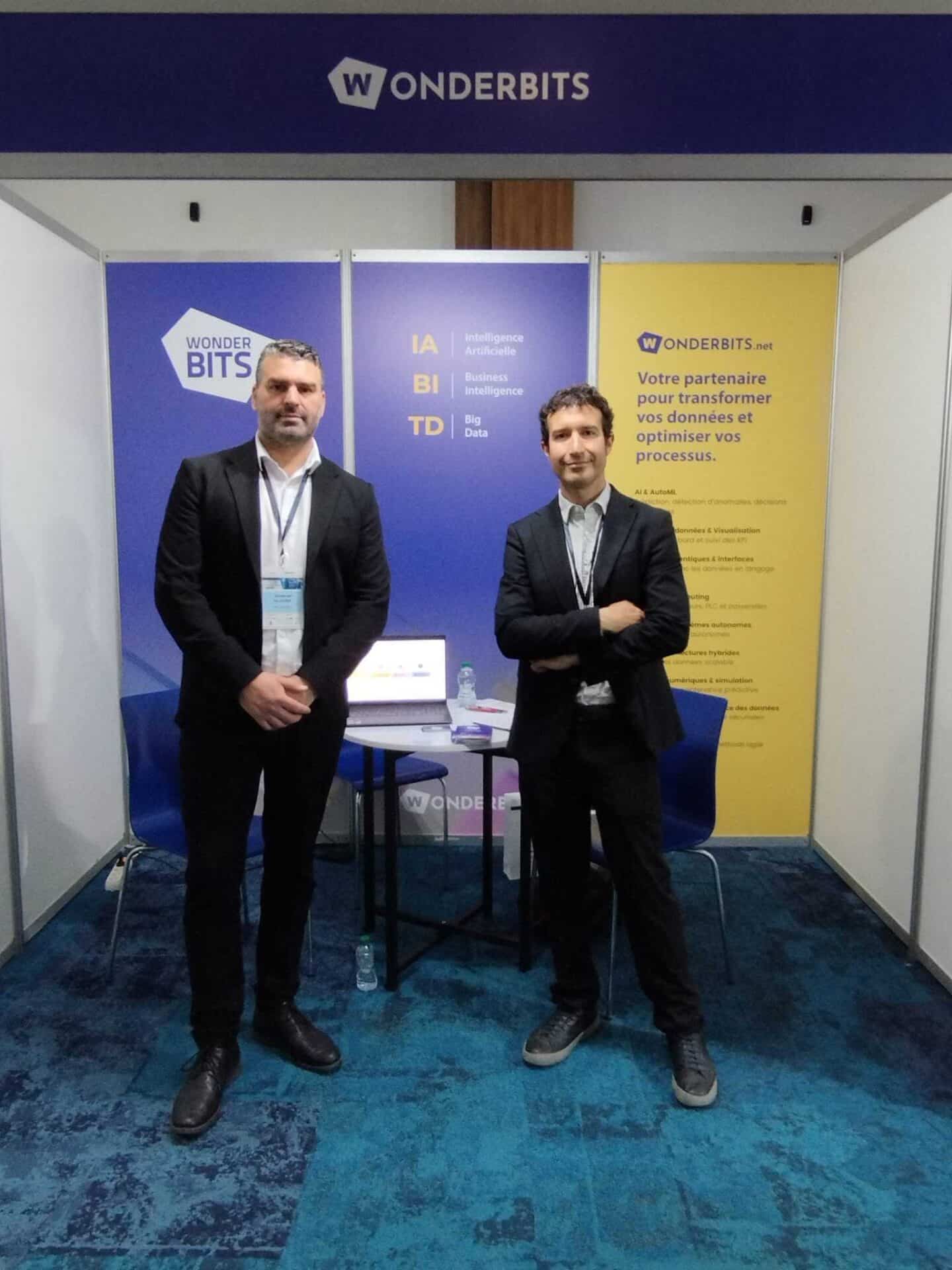
This view becomes even clearer when looking at the ecosystem on the ground. During a sector business mission organised by IVACE and the AVIA, cluster, in which WonderBits took part as a member of the delegation, direct contact with manufacturers, suppliers and logistics operators offered a closer understanding of the maturity the sector has reached — and, above all, of the challenges now beginning to define this new phase.
In this context, production capacity no longer appears to be the main constraint. The system produces, exports and scales. The next layer of complexity lies elsewhere: decision-making.
As volumes grow, so does complexity. More suppliers, more interdependencies, greater demand variability and increasing pressure on response times. The challenge is no longer simply to produce more, but to manage what is already being produced with far greater precision.
This is where new frictions begin to emerge — frictions that cannot be solved by adding industrial capacity alone. Many of the conversations held during the mission revolved around issues such as planning in highly variable environments, anticipating disruptions, and integrating systems that were not originally designed to work together.
Reducing uncertainty without disrupting operations is therefore becoming a central objective.
Where the advantage starts to shift
This is where a layer that, until relatively recently, sat in the background starts to become increasingly important: data management.
From our experience in industrial projects involving data analytics, artificial intelligence and systems integration, this layer only creates real value when it translates into concrete operational decisions: anticipating deviations, coordinating processes and reducing uncertainty without adding further complexity to the system.
In this context, artificial intelligence and advanced analytics are not a trend, nor a superficial differentiator. They are tools aimed at solving a very specific problem: making the system more predictable.
At this stage, reducing Morocco’s position to a cost advantage is too simplistic. The country now competes on efficiency, integration, proximity and logistics capability. Cost remains relevant, but it is becoming less decisive than the system’s ability to operate in a stable, coordinated way.
For Europe’s industrial fabric — and especially for consolidated industrial ecosystems such as Valencia’s — this changes the nature of the decision. It is no longer a question of whether Morocco represents an opportunity, but of understanding how to position oneself within an environment that has already reached a high degree of optimisation: where to add value in the chain, with what proposition, and under what operational logic.
Because in a system that already works, the margin for error is smaller.
Morocco has already solved much of the production equation. The next phase of its automotive industry is likely to depend less on producing more, and more on making better decisions. In an environment of growing complexity, the ability to anticipate, coordinate and adjust operations is becoming the true competitive differentiator.